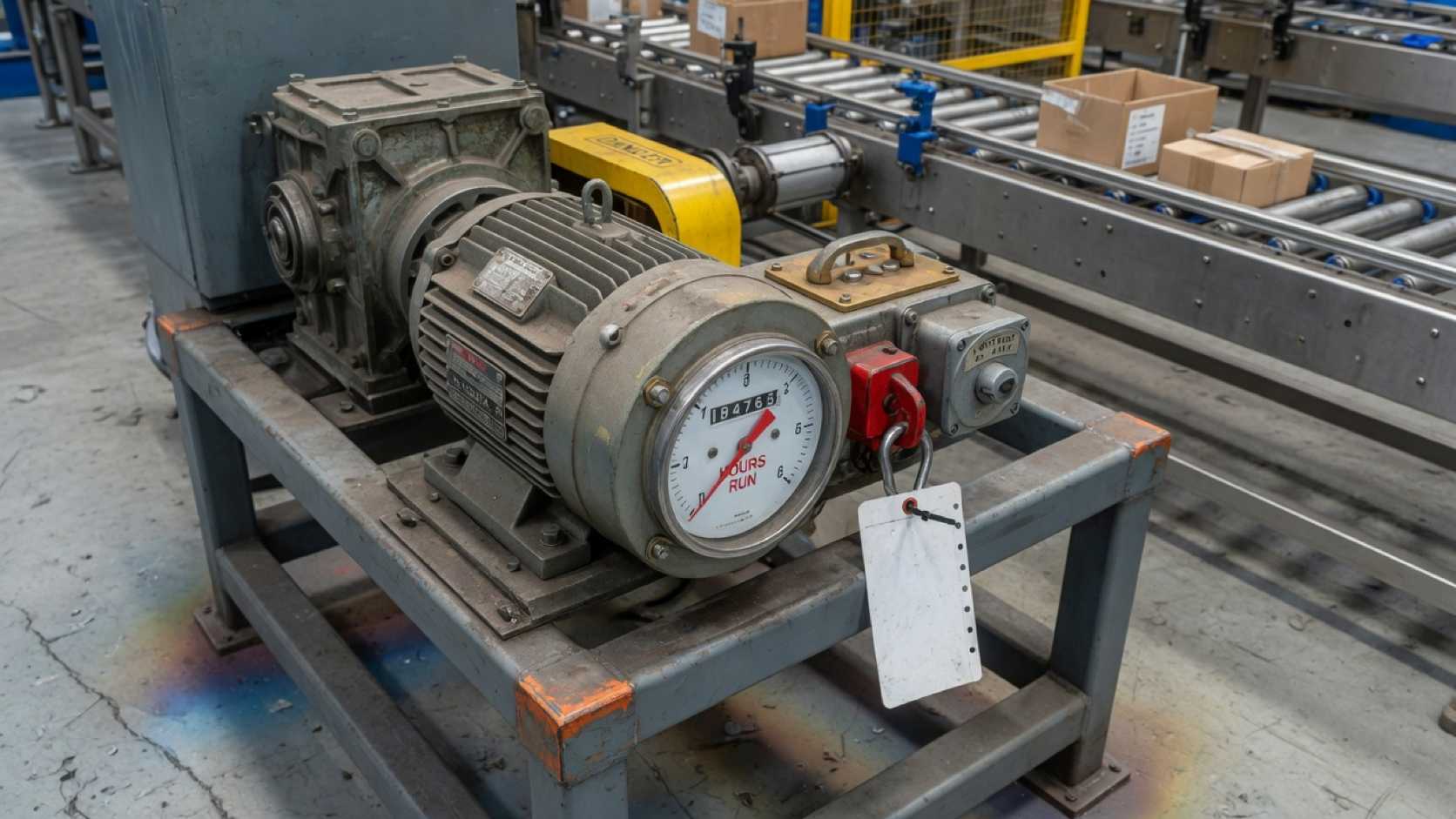
MTBF: how often equipment actually fails
MTBF is an observed mean for a declared population: running hours, failure rule, and limits. Not a countdown for one asset.
Practical notes for teams connecting plant data, documentation, and operational decisions.
MTBF is an observed mean for a declared population: running hours, failure rule, and limits. Not a countdown for one asset.
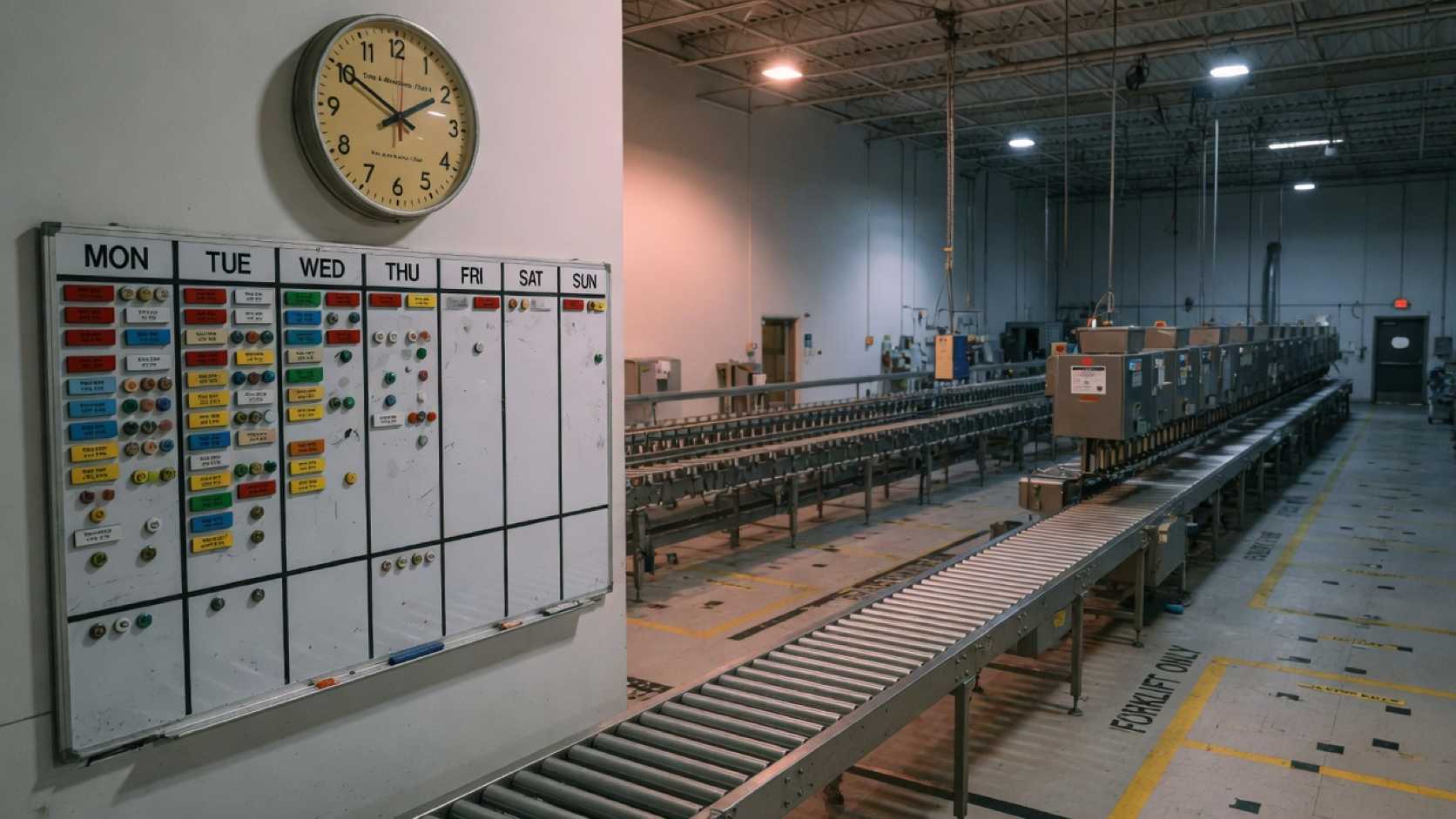
TEEP = OEE × utilization over calendar time. How to read what daily OEE leaves out: weekends, unscheduled shifts, and schedule loss.
Spreadsheet productivity on the plant floor: what you put in the cell, what it leaves out, and when that number can support a decision.

Daily OEE can stay high while a wheeled backup pump and deferred preventive work never enter the score. How to read that gap.
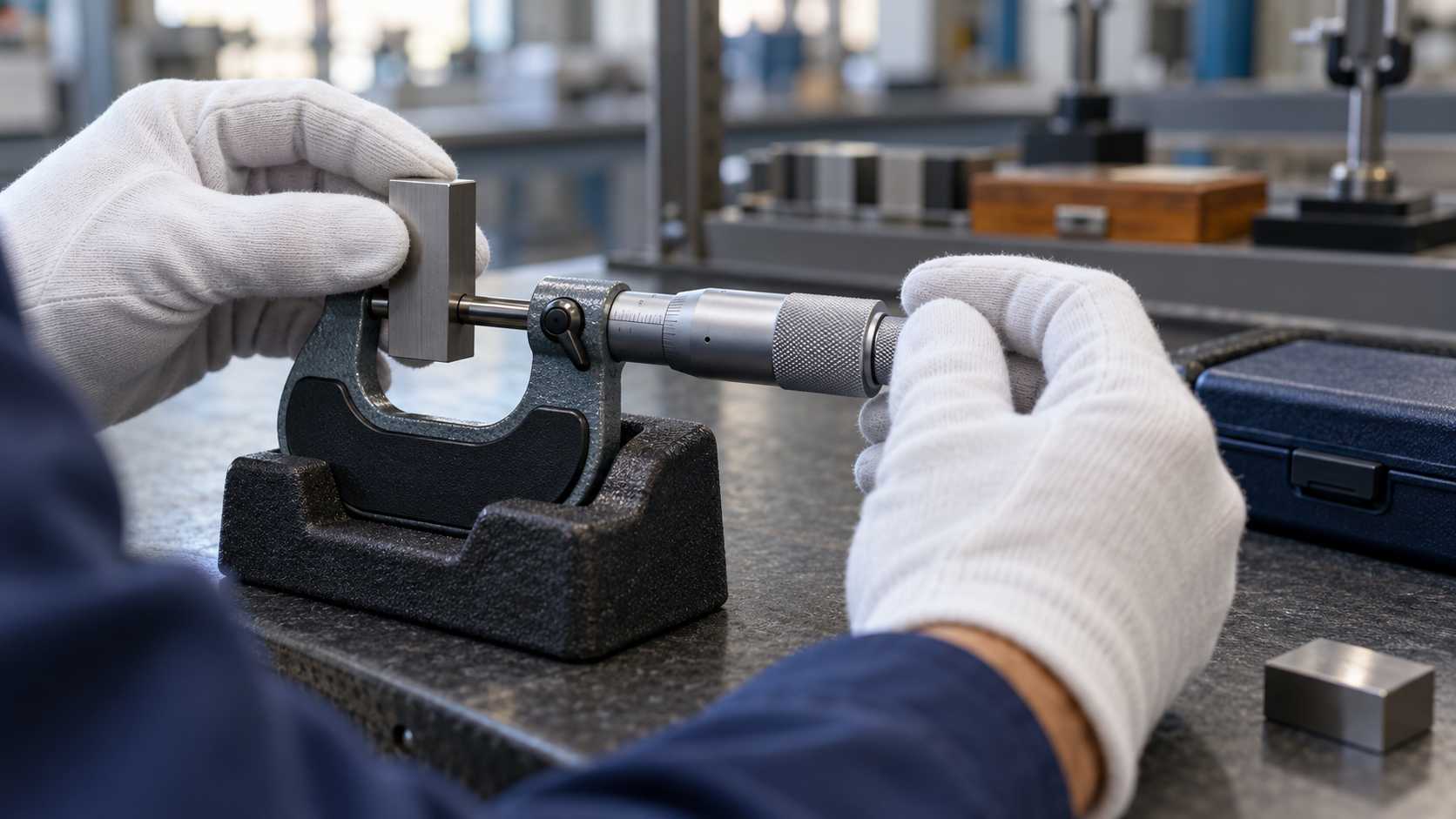
How to preserve the as-found result, identify potentially affected measurements, and assess their impact before adjusting or recalibrating an instrument.
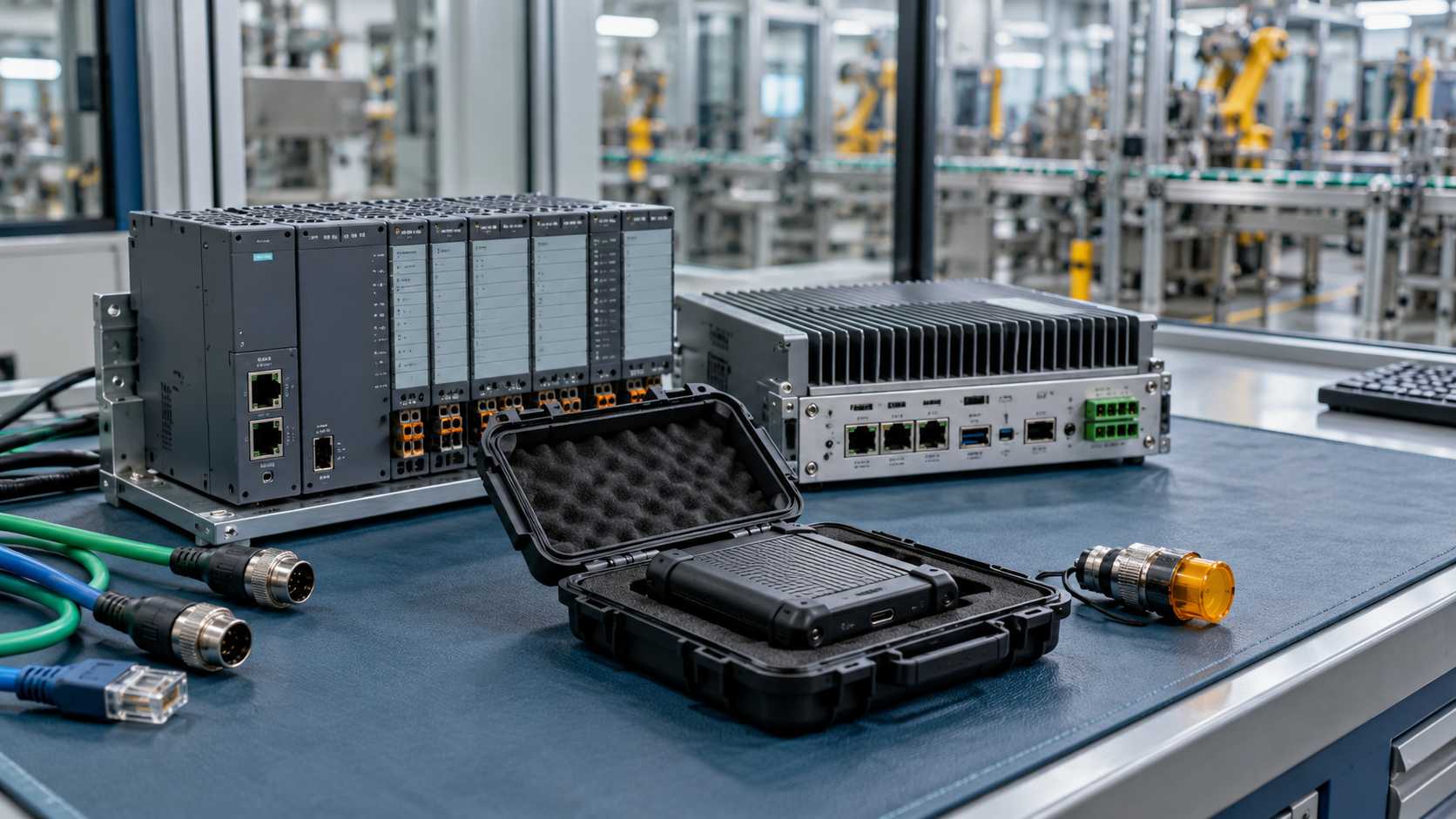
Prepare PLC, HMI, and OT backups, then test recovery in an authorized non-production environment before relying on them at the plant.

Prioritize industrial spares by failure consequences, viable alternatives, and lead time, then document an availability policy your team can review.

Learn to define plant water inputs and uses, compare matching periods, and distinguish measured volumes from estimates and unexplained differences.
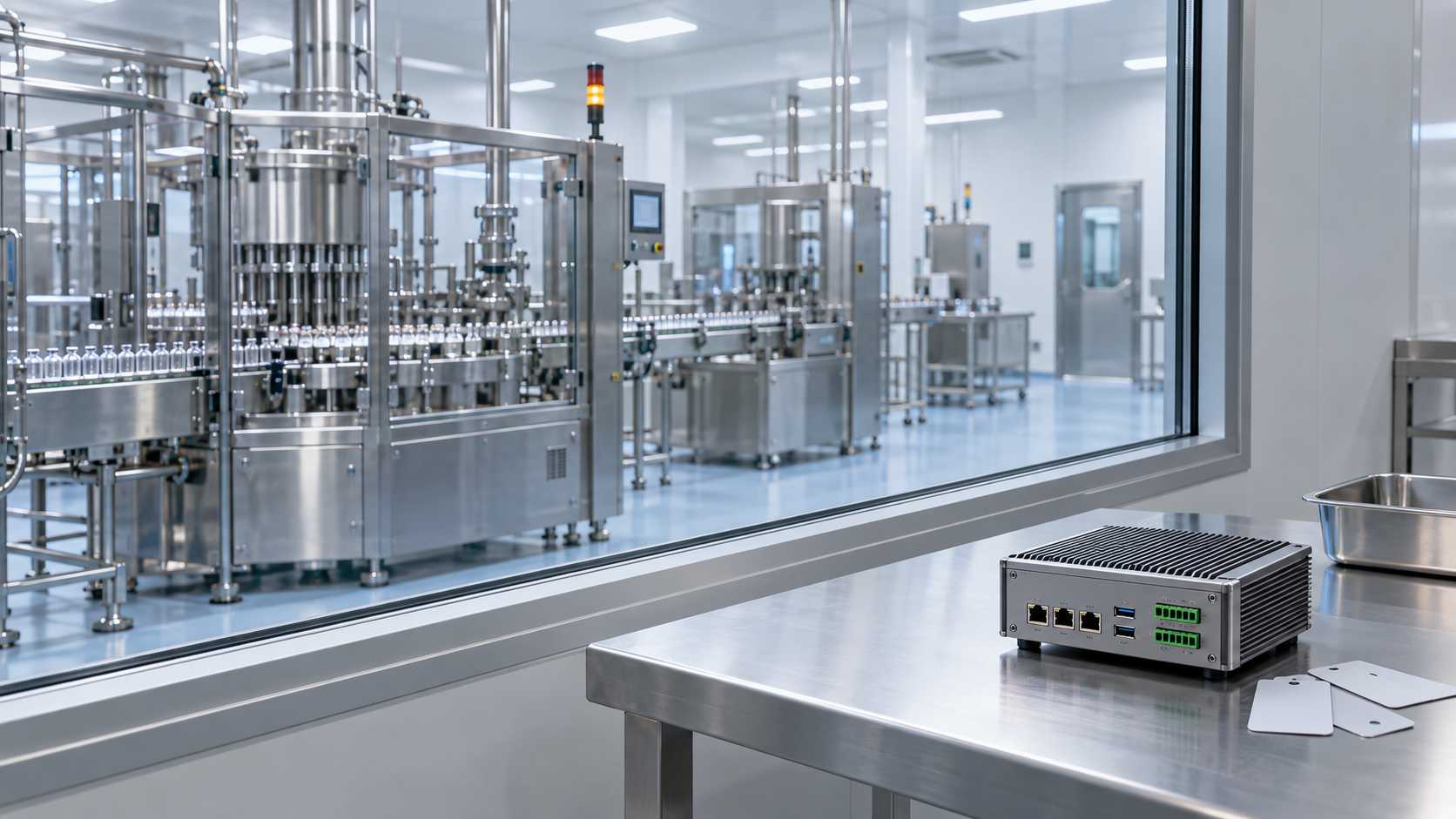
How human medicine manufacturers assess digital changes under GMP, scale testing to risk, and preserve evidence of the validated state.
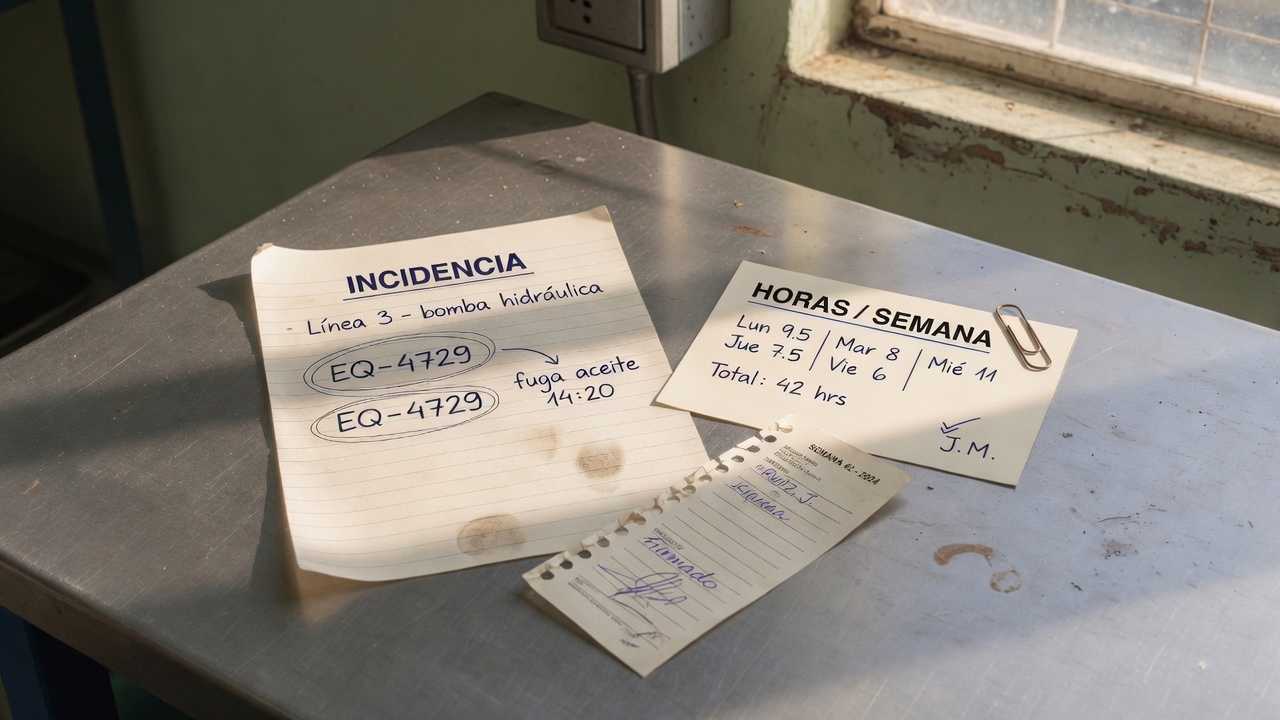
Turn a technical benefit into hours, downtime, or cost that a committee can approve using records the plant already keeps.
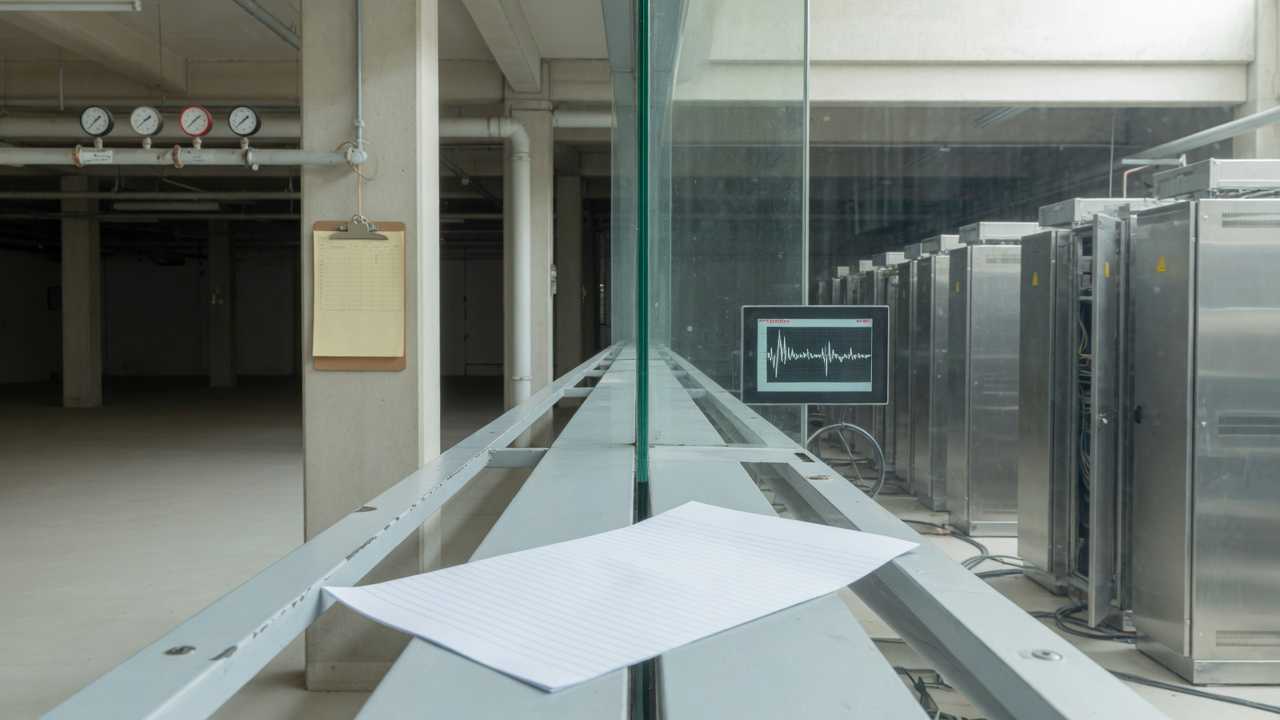
Before comparing two plants, match the indicator definition: content, context, reference time, system boundary, and the company threshold.

The retrieval gap is not missing data: it is assembling an attributable lot package for audit without manually stitching across systems and folders.

When alarms, deviations and cryptic data always reach the same process engineer: why the bottleneck forms and how to share the load.

Assess whether your plant can test AI with accessible data, clear OT boundaries, accountable people and enough evidence for a bounded pilot.

Choose predictive, preventive or corrective maintenance by failure mode, consequence and useful warning time, with a practical plant decision matrix.

Five recurring ways industrial digitalization pilots stall, plus practical checks for plant fit, usable data, value, and real sponsorship.

Learn an auditable method to connect intermittent quality deviations with process, material, environment, and change evidence.

A sober guide to what plant AI can analyze, retrieve, and report, where it must stop, and which decisions remain with people.

A 24-month plant plan to map expert dependency, observe real work, validate competence, and build safe operational cover before retirement.

A plain-English guide to IT/OT integration for plant teams, with real cases, common failure modes, and a practical 90-day pilot plan.

Ask the plant a question and three incomplete answers arrive: SCADA, the historian, and the previous shift. None of them is a whole record.

SCADA, the historian, MES, and ERP already hold related plant data, but they share zero communication. Why the split exists, and how to repair it.

Find seven recurring batch automation errors, see their operational consequences, and prioritize durable corrections with an evidence-based matrix.

Turn existing plant historian records into five practical analyses for degradation, quality, alarms, shifts, and energy use.

Use an illustrative four-hour model to find where quality-deviation work loses time and how to assemble evidence without guessing the cause.

Turn a line stoppage into a timely, traceable review by joining SCADA alarms, historian context, approved SOPs, and changeover records.

Measure alarm load, detect nuisance patterns, and rationalize industrial alarms before operators lose trust in the system during plant upsets.

Capture expert cues, exceptions, and reasoning between shifts, validate them in practice, and keep every knowledge unit traceable.

Map the information lost at shift handover, why it repeats problems, and how a structured format preserves control, context, and evidence.
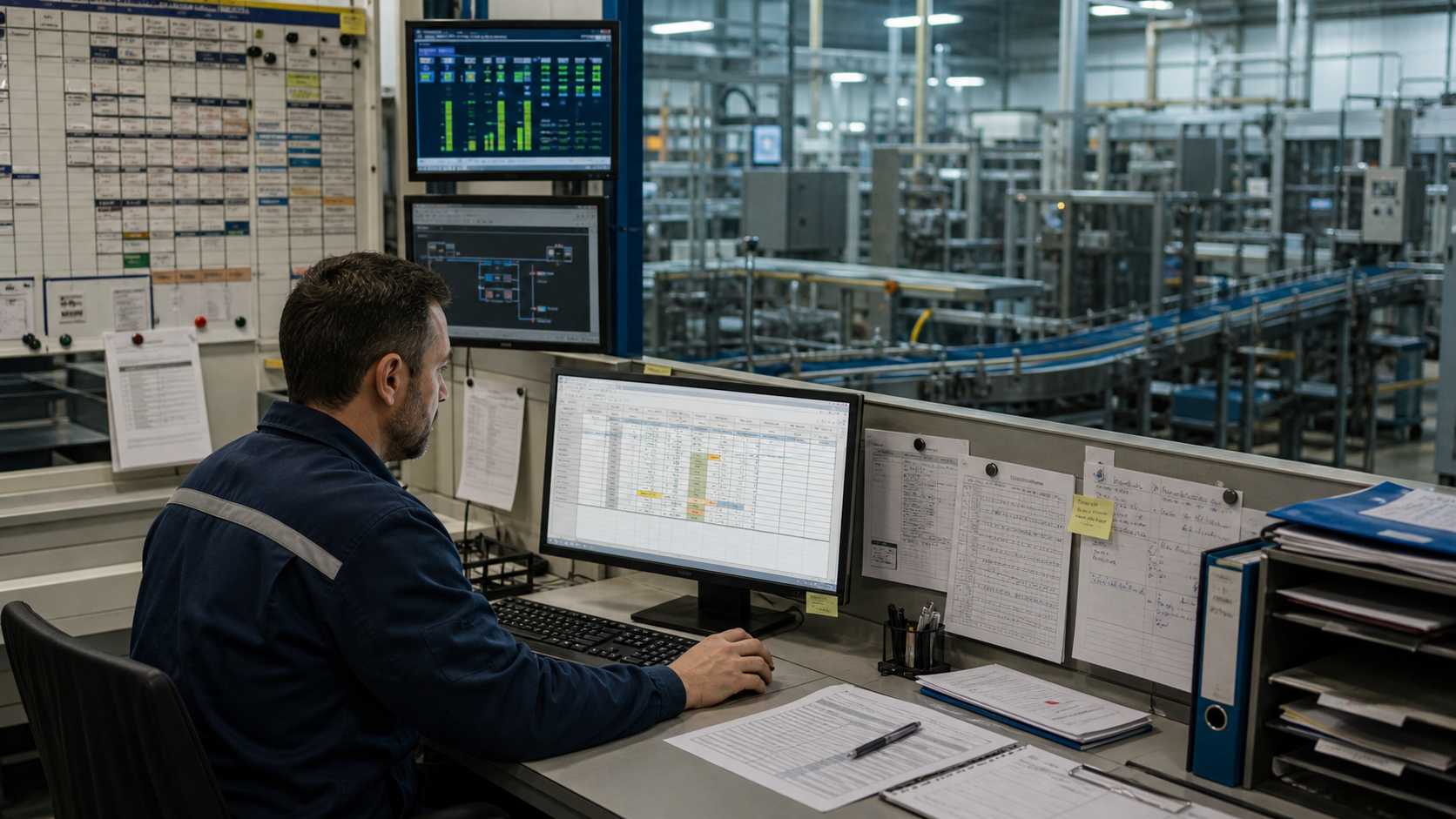
A practical guide to deciding when production spreadsheets should stay, gain controls, or move into governed industrial workflows.

Design digital operator rounds that preserve routes, readings, field observations, photos, exceptions, escalation, and human approval.

Industrial incident investigation with evidence: traceable timelines, preserved records, corrective actions, and human approval.

Build plant energy evidence from utility bills, meters, compressed-air records, leaks, production context, and ISO 50001-style review.

Build PSSR evidence for design conformance, procedures, training, open actions, startup boundaries, and accountable approval.

Build MOC evidence packets for plant process, equipment, procedure, staffing, and documentation changes before approval or closure.

Use alarm evidence, operating context, and human verification to reduce alarm noise, floods, and standing alarms in industrial plants.

How plant teams keep AI-assisted SOP answers tied to approved procedures, scope, obsolete versions, and human verification.

Build downtime analysis around operating evidence: scheduled run time, event windows, reason codes, alarms, notes, impact, and next checks.
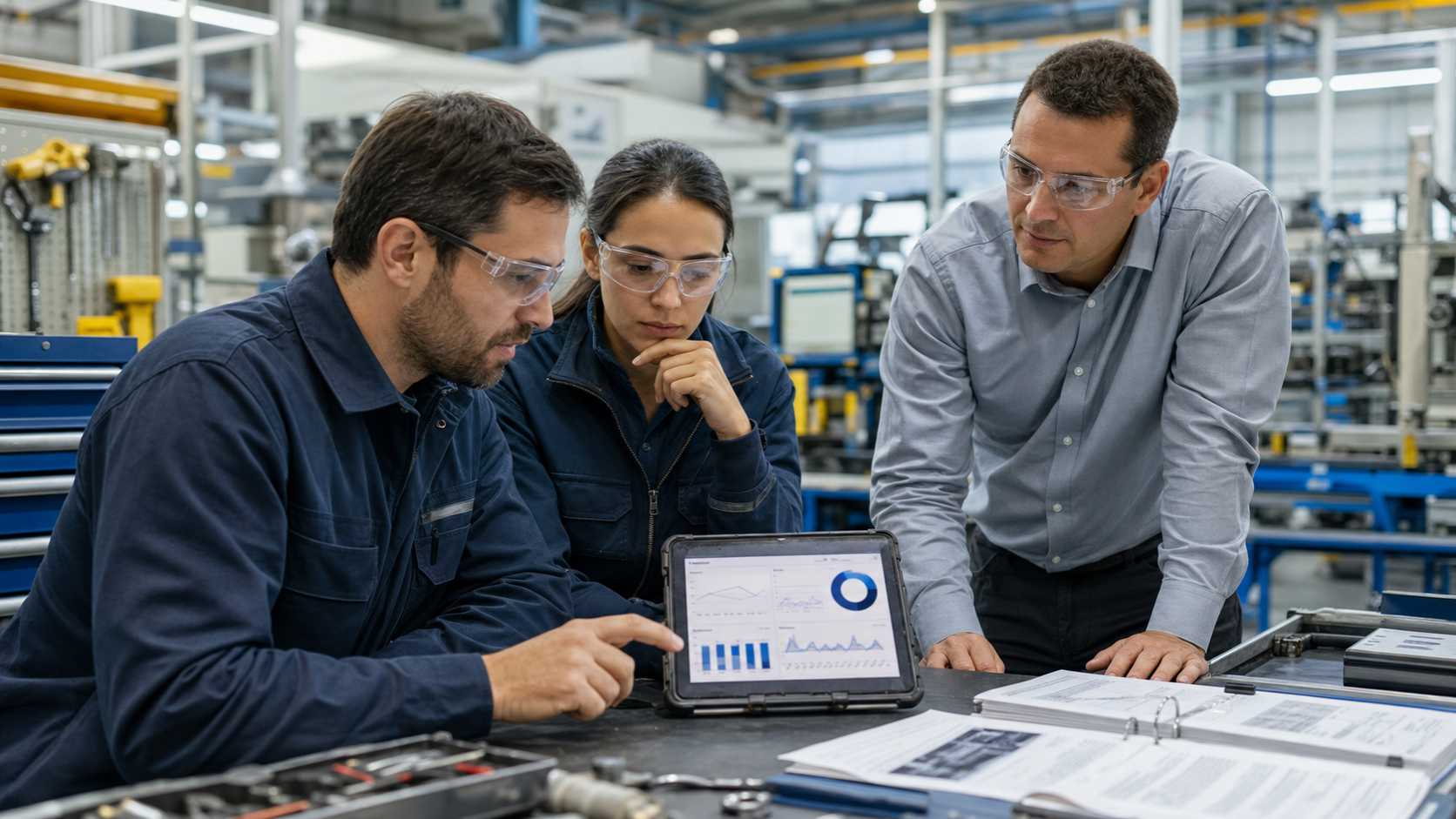
How maintenance teams build evidence packets from work orders, alarms, procedures, and production impact before troubleshooting equipment.

A practical way to measure hidden plant information search costs, from wasted weekly hours to where industrial teams should start tracking.

Use operating evidence to test capacity, losses, maintenance, quality, uncertainty, and smaller options before plant investment.

Build an evidence chain for quality deviation triage before jumping to root cause or procedural changes in industrial teams.

Use shift handover questions to transfer operational risk, temporary controls, evidence, and first verification actions safely.

How industrial teams turn scattered plant records into decision-ready evidence, with traceable sources and human approval boundaries.